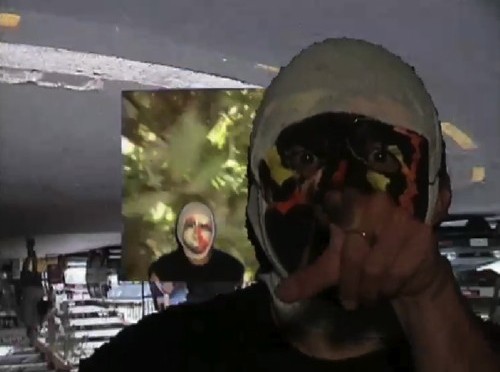
 The Tall Dwarfs only had two music videos funded by NZOA, but in both cases they took the funding and made it go far. In this case, the video utilises the magic of green screen to have four layers of video.
The background layer is Queen Street upside down, and I think this is the first time Queen Street has been seen in its less glamorous daytime form. It’s a chance to revisit the street before most of the pink pavers were ripped up in favour of serious bluestone.
So what’s the purpose of this wander around town? Why, it’s to visit the record company. The upside-down camera visits Flying Nun, which looks about as cool as I’d have imagined. Posters and photos adorn the walls, and the camera come across stacks and racks of CDs and LPs. Oh yes.
But remember, this is just the first layer of video. The second is another upside down video, inset in the main image. It shows a bleak urban landscape, weeds, motorway rails, sometimes mirrored in two halves. On top of this is Messrs Knox and Bathgate on percussion and guitar. They have bandages wrapped around their heads and are wearing what look like surreal, fragmented lucha libra masks.
And the fourth layer is the mask-and-bandage-clad dudes popping up again, either separately or together. When the chorus comes along, they’re joined by a hand-drawn “FRAGILE” wobbling over them. This might count as a fifth layer. Crazy.
For a song that’s about fragility, both Alec and Chris and the video itself is wrapped in layers of protection. What’s it protecting? Well, at its heart, it’s a really fine song.
Best bit: the Flying Nun office visit.
Director: Chris Knox
Ngā Taonga Sound & Vision
Next… inside a Hawke’s Bay art deco gem.
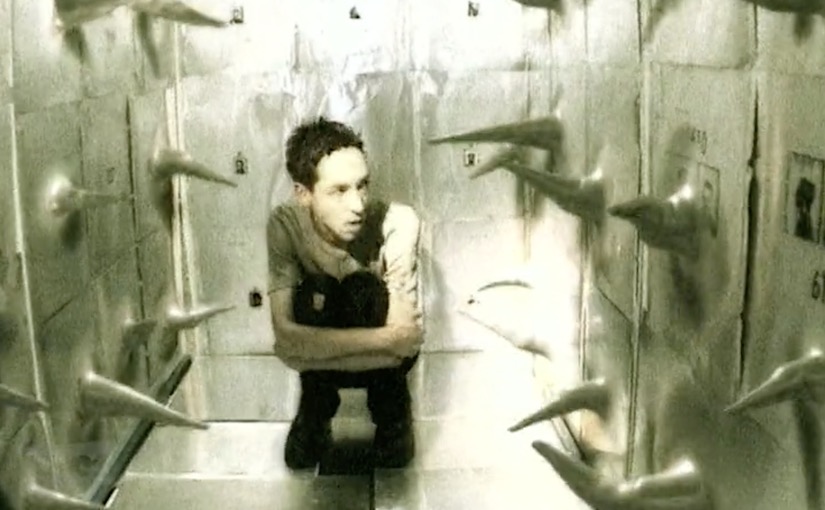
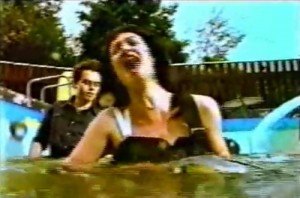 Fur Patrol arrive on the scene, rounding out the trinity of late ’90s female-fronted bands, along with Tadpole and Stellar (who we’ll soon meet again). Of all these bands, Fur Patrol were the ones who did the most interesting things with their music videos. Julia Deans’ strong voice and skilful songwriting were given a dark twist by the content of their music videos.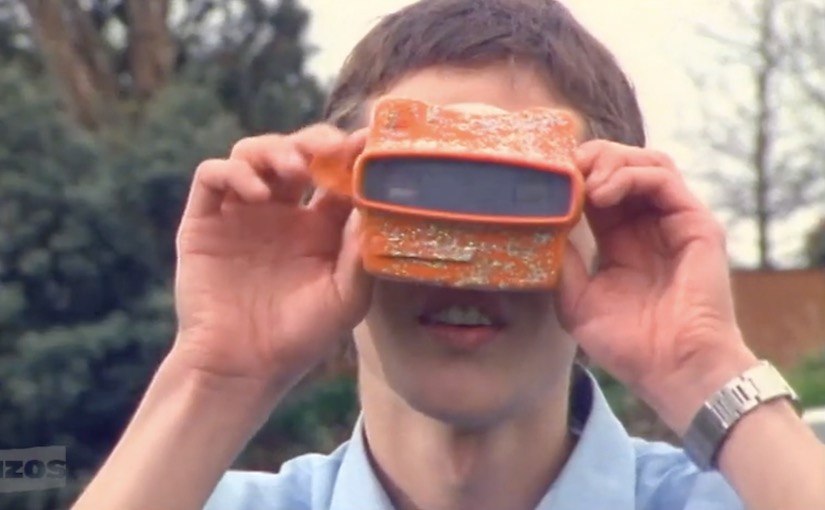
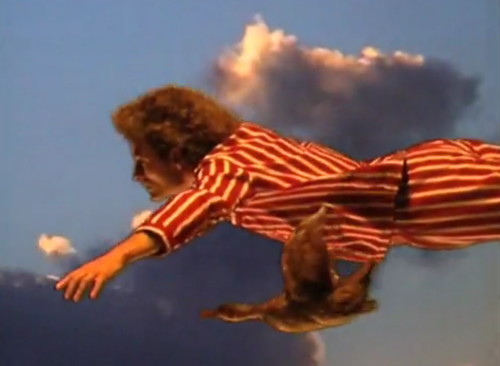
 This is a lovely song. It makes people cry with its heartfelt experience of having a loved one move to Australia. The video, directed by Andrew Moore, is simple and gentle but has a fun, surreal setting.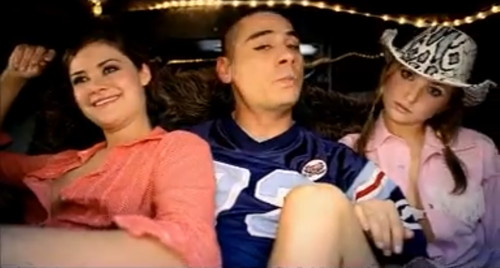
 This song was released in 2003, but the funding is from the 1998 round. The group originally received funding in 1998 for a single called “Home”, but that didn’t get made. Instead the funding stayed on the books and was put to use five years later.
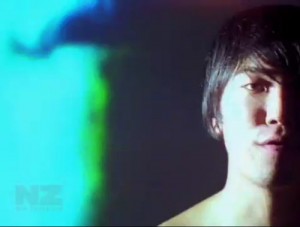 Videos like this are difficult to write about. This is not an especially commercial music video. It’s not playing by the same sort of rules that most other music videos use. If every music video sits somewhere on the continuum of art and advertising, this video is far down the art end.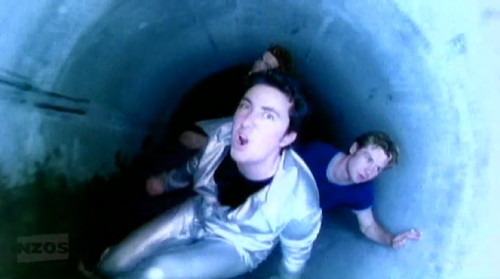
 The Feelers have had 25 music videos funded by NZ On Air, second only to Shihad who have 28. Even though they had funding for “The Leaving” in 1995, it all starts with “Pressure Man”.
 “Sub-Cranium Feeling” was King Kapisi’s first single and it made it to number eight in the pop charts. The arrival of King Kapisi was interesting. One minute he wasn’t there, the next minute he’d always been there. And so this video is like the birth – or the creation myth – of King Kapisi, where he just comes swimming along, surrounded by colourful lavalava, a violin, LPs and family photos.
 The last time we saw Garageland, they were a fun alterno-pop-rock group, good for having a few drinks and jumping around to. But the band changed. Guitarist Debbie left, the band moved to the UK and new guitarist Andrew Claridge came on board. But more importantly, the band had become more serious, more mature.